Why use stool testing?
- Requires only one, single stool sample collection
- Greater accuracy due to advanced DNA analysis
- Evaluates balance of microbes shown to contribute to weight gain
- Identifies drug resistance genes
- To maintain good health
Test for:
- Inflammation
- Immune function and gluten sensitivity
- Yeast
- Parasites
- Bacteria
- Pathogens
- Pharmaceutical and botanical sensitivities
- Cancer-preventative short chain fatty acids
- Pancreatic function
- Markers for digestion and absorption
Conditions and diseases related to GI disorders:
- Autism spectrum disorders
- Food sensitivities
- Irritable bowel syndrome
- Crohn disease
- Ulcerative colitis
- Maldigestion from history of celiac or other autoimmune disorders
Symptoms related to GI disorders:
- Abdominal pain
- Arthritis/joint pain
- Headaches/migraines
- Diarrhea or constipation
- Noticeable change in stool
- Bloating/gas
- Unexplained weight loss/gain
- Blood, mucus, or pus in stool
- Hives/skin rash/eczema
- Difficulty breathing
- Swollen tongue/lips
- Acid reflux/heartburn
- Chills/fever
- Chronic fatigue
- Cramping
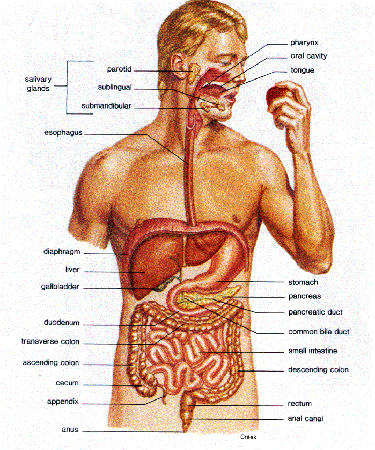
Gastrointestinal (GI) function is important for general health. This includes balancing beneficial microbial flora in the gut to enhance health benefits. GI health is key in digestion, nutrient usage, and ridding the body of waste and pathogens. Poor digestion and malabsorption can lead to immune dysfunction, nutritional inefficiencies, and various disease states. Poor GI function can also lead to food allergies and other toxicities. Your intestinal tract contains significant amounts of bacteria, some beneficial, some neutral, and some that can be harmful. It is essential to know the microbial balance of your GI tract, especially if you have chronic health problems. Health enhancing intestinal bacteria serve to prevent the overgrowth of potentially harmful bacteria in the gut.
For further information on this and other tests please call our office at 800-333-9942.